From Training to Operations: Closing the Gap Between the Classroom and the Mission
There’s a gap in aviation training that doesn’t show up in a syllabus, and it’s where missions succeed or fail. It’s the space between what is taught and what actually happens when the mission begins.
In controlled environments, training can be predictable. Objectives are clear, scenarios are structured, and outcomes are often known in advance. But real-world operations rarely follow a script. Conditions change. Communication breaks down. Teams adapt in real time.
That gap between training and reality is where true mission readiness is tested.
Training That Reflects the Mission
At Verticon 2026 hosted by VAI | Vertical Aviation International the Elevations course “SAR in Action: Building Real-World Response Capabilities” brought this concept into focus.
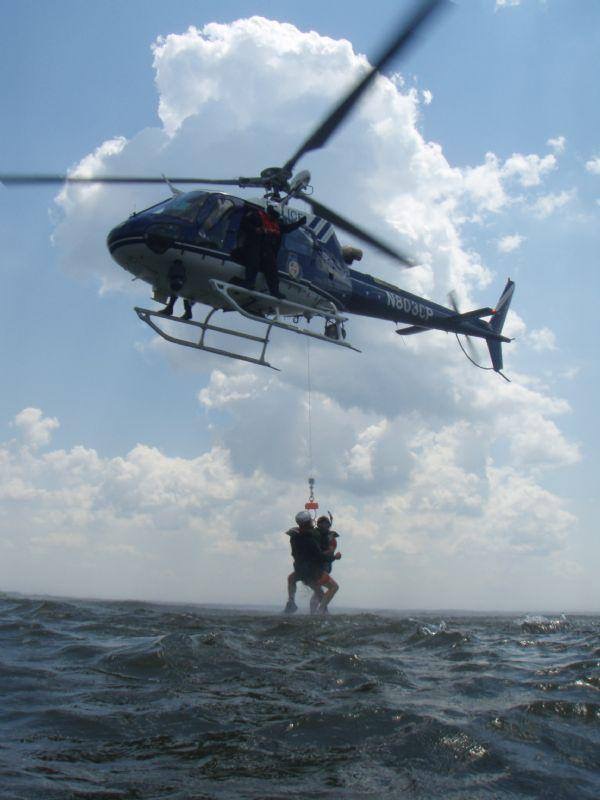
The course emphasized scenario-based training designed to reflect the complexity of real-world search and rescue operations, where aircrews, ground teams, and command elements must operate as a coordinated unit under pressure.
It reinforced an important point: Mission readiness is not just about flying skill—it’s about how the entire team performs together.
The Limits of Traditional Training
Too often, training is conducted in silos. Traditional training models have long played an important role in developing individual proficiency and foundational skills. However, much of this training is still conducted in ways that separate key elements of the mission. Pilots, crew members, and ground personnel may train toward similar objectives, but not always together in a fully integrated environment.
In many cases, coordination, communication, and decision-making are introduced conceptually, but not always experienced in a realistic, operational context. This can result in highly capable individuals who have had limited opportunity to train as part of a fully synchronized team.
Real missions demand more:
• Integrated communication
• Shared situational awareness
• The ability to adapt when plans change
Closing the Gap
Closing the gap between training and operations requires more than updated curriculum.
It requires:
• Scenario-based training rooted in real missions, where crews are exposed to the complexity and unpredictability they will face in the field
• Integration of the full team – air, ground, and command, training together as they would operate during an actual mission
• Integrated communication, ensuring that information flows clearly and effectively across all elements of the team
• Shared situational awareness, so every member understands not only their role, but the broader operational picture
• The ability to adapt when plans change, because real-world missions rarely unfold as expected
• Instructors with operational experience, bringing credibility and relevance to every scenario
• Training environments that reflect actual conditions, not just controlled settings
And in many cases, it requires extending beyond training into operational support, where lessons are reinforced through real-world application.
Training as a Continuous Process
One of the key takeaways from Verticon is that training doesn’t stop when a course ends.
It evolves with the mission.
That’s why continued opportunities for learning and collaboration are so important across the global aviation community.
Events like PAvCon Europe 2026 in Málaga, Spain (May 27–29) provide another opportunity to engage in mission-focused training, particularly for European law enforcement and public safety aviation.
With sessions covering:
• Air support to K-9 operations
• Searching for missing persons
• Suspect tactics and perimeter coordination
• Operational debrief and analysis
These types of programs continue the conversation, bringing together operators to share lessons learned and strengthen real-world capability.
Mission Ready Means Operationally Ready
The goal of training is not completion. It’s capability.
Organizations don’t just need trained individuals—they need teams that can perform in complex, dynamic environments where outcomes matter. Bridging the gap between training and operations is how that capability is built.
And in today’s operational environment, that gap is where the difference is made.


Leave a comment