Category: Uncategorized
-
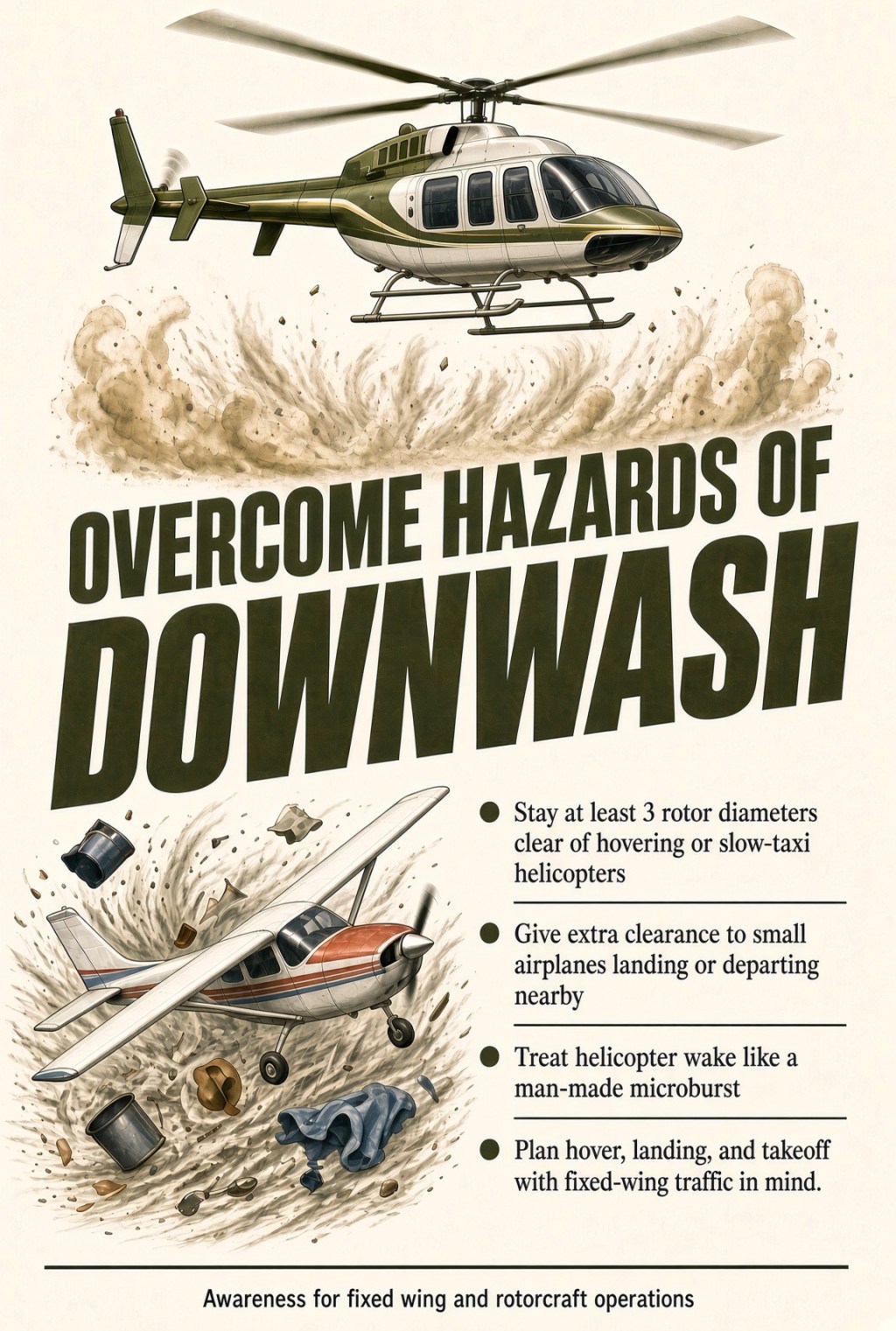
Some of the most dangerous wake turbulence at an airport may come from an aircraft you were never taught to worry about. A helicopter. At Wadsworth Municipal Airport in Ohio in 2021, a RANS S-20 was holding short of Runway 2 while a Sikorsky S-76 helicopter landed on the runway. After the helicopter passed, the…
-
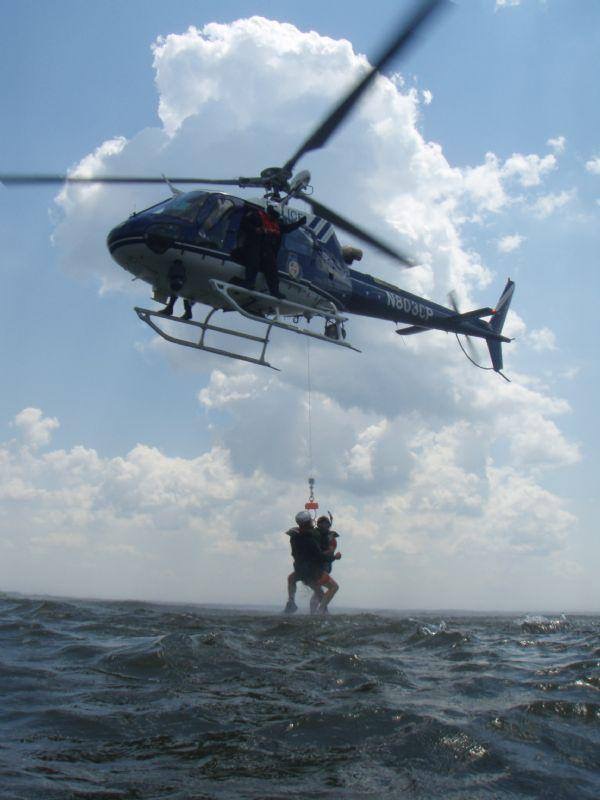
From Training to Operations: Closing the Gap Between the Classroom and the Mission There’s a gap in aviation training that doesn’t show up in a syllabus, and it’s where missions succeed or fail. It’s the space between what is taught and what actually happens when the mission begins. In controlled environments, training can be predictable.…
-

When the call comes, there is no pause button. Crews don’t get time to “get ready,” conditions don’t improve because a team is short-handed, and complex missions don’t wait for organizations to catch up. Whether it’s a search and rescue response, an inadvertent IMC encounter, a maintenance check flight, or a safety decision made under…
-
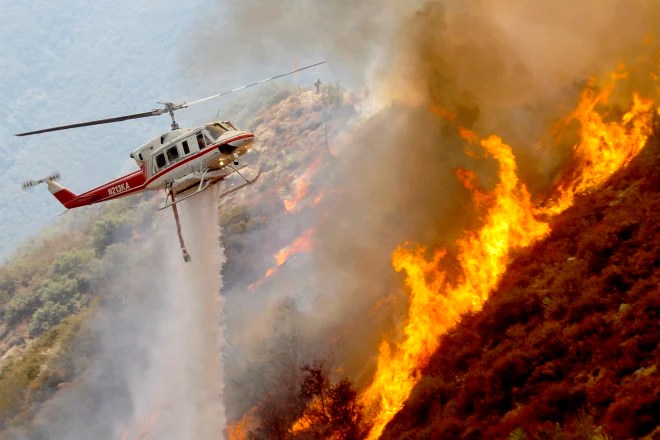
Aviation-supported missions rarely unfold in isolation. Flood response, wildland fire, wilderness search and rescue, law enforcement support, and emergency medical operations all require crews to operate in environments where conditions change rapidly and decisions must be made with limited information and little margin for error. In these settings, teams are often assembled quickly and may…
-

As the year winds down, many aviation organizations are deep in budget season — balancing spreadsheets, forecasting expenses, and making difficult decisions about what to fund and what to defer. In the helicopter world, where missions range from public safety to firefighting, air medical, and search and rescue, off shore and utility, those budget decisions…
-
In aviation, trust is built one flight at a time. For air tour operators, that trust doesn’t start when the blades turn—it begins long before, with a culture of safety that passengers can count on and insurers, regulators, and communities can respect. That’s the foundation of TOPS—the Tour Operators Program of Safety. TOPS was created…
-
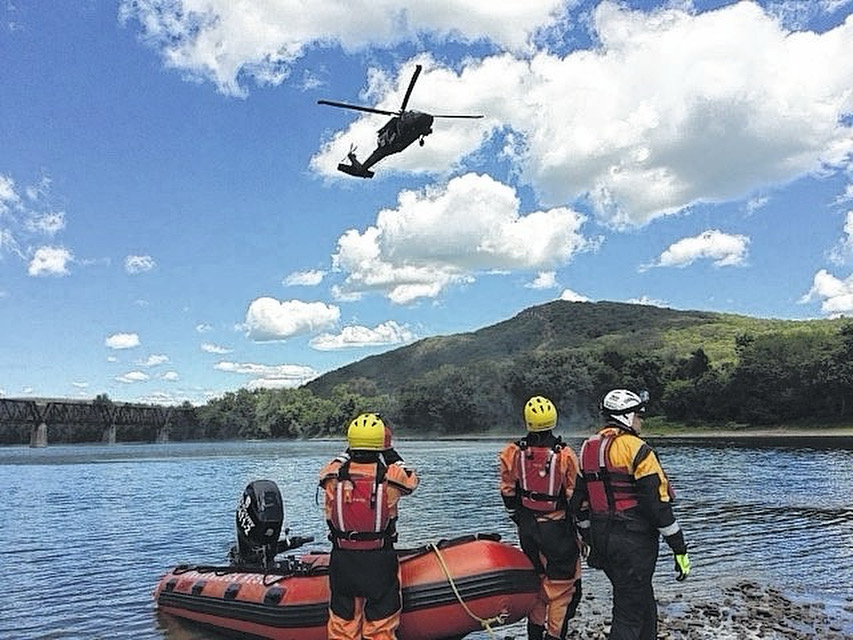
Around the world, flood response operations in 2025 have revealed a clear truth: when disaster strikes, readiness is everything. From coastlines and river valleys to mountain towns and remote communities, emergency teams continue to confront complex rescue environments that test skill, coordination, and endurance. These events aren’t isolated. They form a pattern, one that reinforces…
-
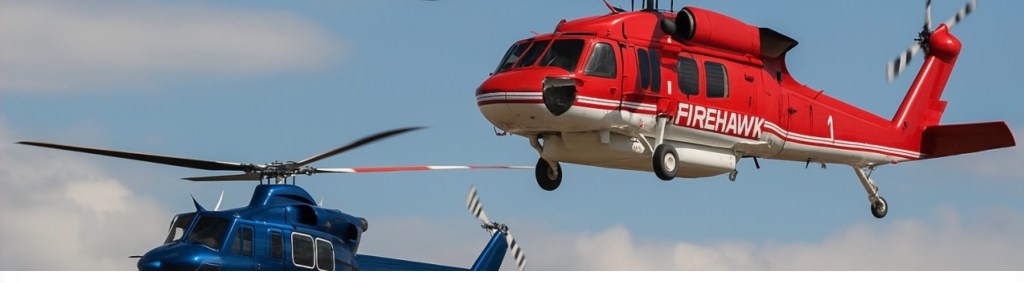
Taking delivery of a new helicopter—whether factory-fresh or previously operated—is an exciting milestone. It represents growth, expanded capability, and the opportunity to take on new missions. Fortunately, many aircraft manufacturers offer outstanding type-specific training as part of the delivery process. Pilots and maintenance personnel receive structured ground school, in-aircraft training, and often simulation. These programs…
-
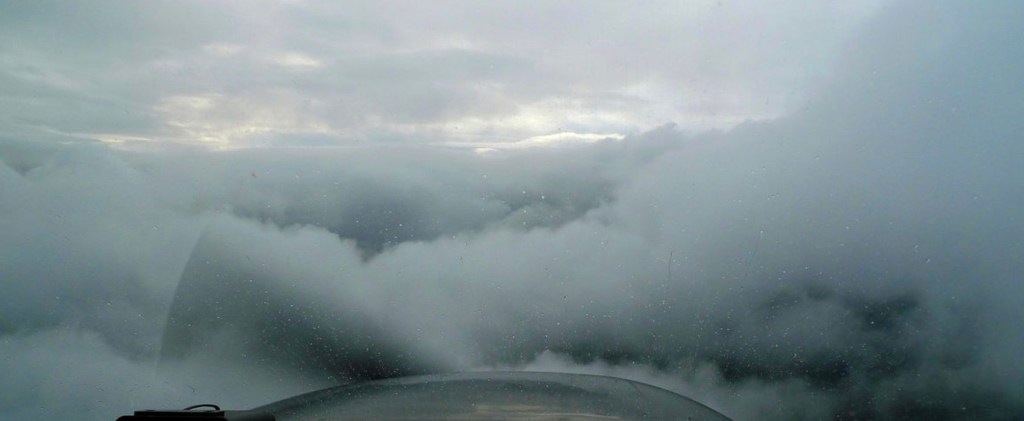
Recent accidents have shown that there continues to be a problem with pilots that have limited IFR experience losing control of aircraft when poor visibility conditions are encountered. Helicopter pilots are more susceptible because of the majority of operations are low-level VFR. The following statement from the International Helicopter Safety Team puts it in perspective. “Inadvertent IMC…
-

It has taken almost a decade for scenario-based simulator training to be made available to the majority of commercial helicopter operators, but today there is a wide range of helicopter simulator options available and more on the way. Many operators can take advantage of simulator training to improve their operational safety. People often ask what…

